
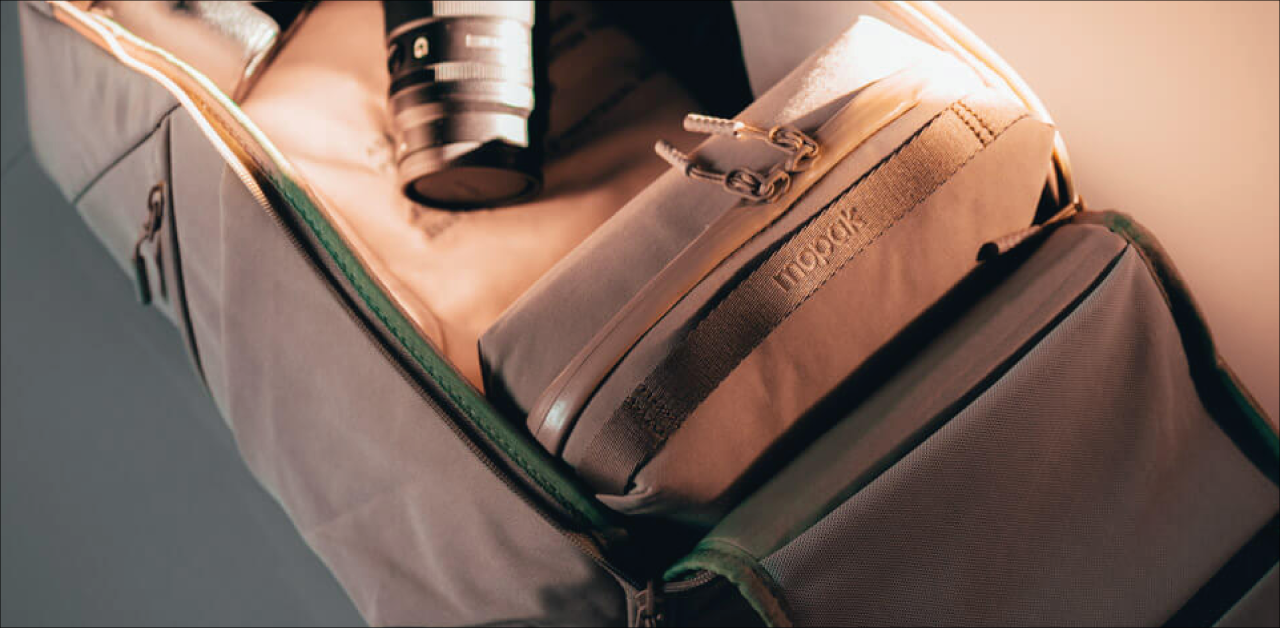
A coffee grounds bag is not a concept on a mood board. It is an object with a strap, slung over a shoulder, carried through a city on an ordinary Tuesday.
That is the part that matters most. Not the idea of turning coffee into design, but the reality of a finished bag you actually use. The brand Mopak sits exactly there, at the point where material innovation becomes daily life.
At LUNGO, this is the kind of maker we look for. Coffee as a material, shaped into something you keep.
1. The Object You Carry
Start with the object, not the story. A coffee grounds bag from Mopak looks and feels like a considered piece of design first, and a sustainability statement second.
The range is built for the city. The Kaf Pocket is a lightweight everyday bag. The Kaf Mini offers a smaller, more elegant form. The Wanderer Sling adds capacity and organisation for longer days out.
Each one is minimal, functional and quietly premium. There is even a subtle coffee note to the material. The bag earns its place because it works, not because it lectures.
This is the point Mopak makes so well. A sustainable object only matters if people genuinely want to carry it.
2. The Material Is Coffee
Underneath the design sits the surprising part. The bag is made largely from recycled coffee grounds.
The spent grounds are combined with an eco-based polyurethane finish to create a coffee-based leather alternative. The result is a material with the hand-feel of soft leather, without animal hide.
This is coffee as a material in its most tactile form. The residue from a cup becomes a surface you touch every day, durable enough to take the wear of real use.
It is also a smart use of a by-product. The grounds would otherwise be waste. Instead they become the body of the bag itself.

3. The Mopak Process
The way a coffee grounds bag is made follows the same transformation arc that runs through every LUNGO material story: residue, material, object.
First, spent coffee grounds are collected and dried so they become a stable input rather than a perishable waste. This step turns rubbish into a usable ingredient.
Next, the grounds are blended with an eco-based binder and formed into sheets of coffee leather. This is the material stage, where loose residue becomes a consistent, workable surface.
Finally, the sheets are cut, stitched and finished into bags. This is the object stage, where the material takes on a shape, a function and a life in the world.
Every step keeps the coffee visible in the outcome. The grounds are not hidden away. They are the reason the object exists.
4. Design Excellence and Designed to Last
A coffee grounds bag only counts as circular if it survives real use. A material made from waste that falls apart in a season is not sustainable. It is just slower waste.
This is why durability sits at the centre of good coffee-based design. Mopak builds its bags to be carried daily, so the environmental logic and the design logic point the same way.
Two principles guide the best work in this category:
- Design Excellence: the object has to be genuinely desirable, judged as design before it is judged as sustainability.
- Designed to Last: the object has to endure, because longevity is what makes the reuse of coffee grounds actually worthwhile.
Get both right and the sustainability follows naturally. That is the standard LUNGO curates against.

Why This Belongs in Australia
Australia has the raw material in bulk, producing around 75,000 tonnes of spent coffee grounds and chaff a year, most of it still sent to landfill, as the City of Melbourne has highlighted.
A coffee grounds bag turns a slice of that stream into something people are proud to carry. That is the LUNGO vision in a single object: design first, coffee always, sustainability as the natural result.
Coffee Grounds Bag: Quick Questions
What is a coffee grounds bag made of?
A coffee grounds bag is made mostly from recycled spent coffee grounds combined with an eco-based polyurethane finish. Together they form a coffee-leather material that looks and feels like soft leather, without animal hide.
Is a coffee grounds bag durable?
Yes. Brands like Mopak build their coffee-ground bags for daily city use, and durability is essential to the concept. A material made from waste only becomes truly sustainable if the finished object lasts for years.
Does a coffee grounds bag smell like coffee?
It can carry a very subtle coffee note, but it is not strongly scented. The grounds are processed into a stable material, so the aroma is faint rather than overpowering.
Is coffee leather better than real leather?
Coffee leather avoids animal hide and reuses a waste stream, which are clear advantages. Whether it is "better" depends on durability and end-of-life transparency, so the strongest coffee-leather products are those designed to last and made with honest material data.