
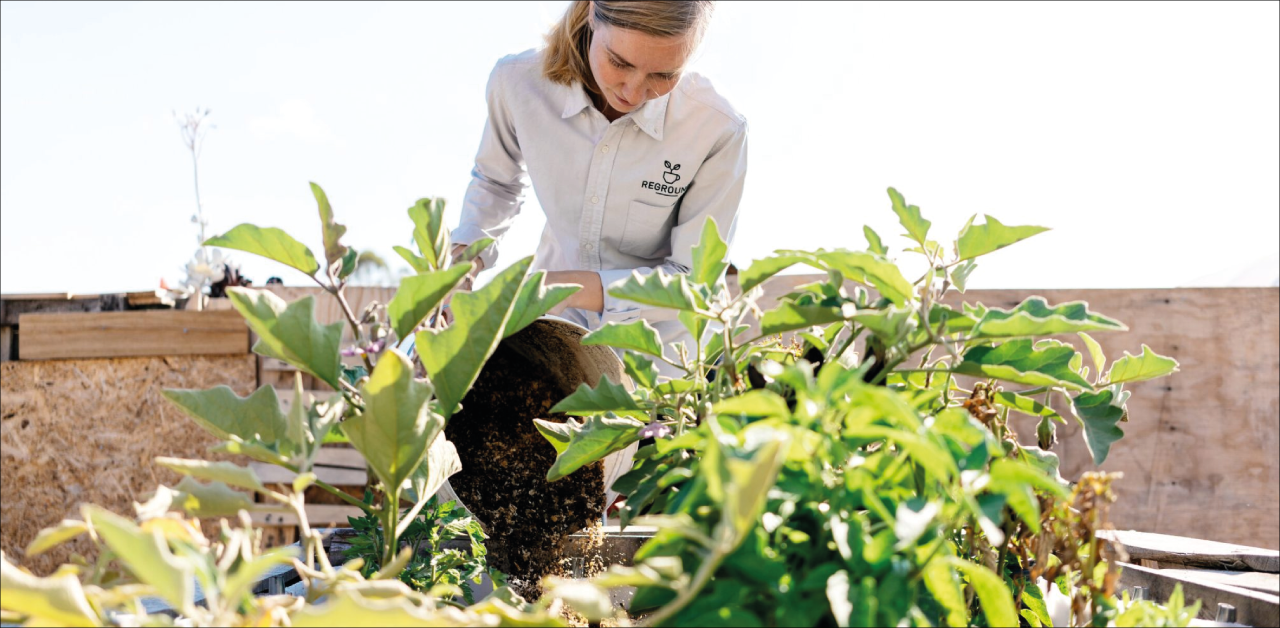
Recycled coffee grounds are the quiet hero of this story. Not the bean. Not the cup. The dark, damp residue left behind once the coffee is made, and usually thrown away without a second thought.
Look closer and that residue starts to change shape. It becomes yarn, eyewear, cups and bags. The end of one ritual turns into the beginning of a material.
At LUNGO, this is where sustainability actually lives for us. Not in a slogan, but in what happens to the grounds after the last sip.
The Scale of the Problem
Every good coffee leaves something behind. Multiply that by a nation of daily drinkers and the numbers grow fast.
Australia produces around 75,000 tonnes of spent coffee grounds and chaff each year, and most of it still goes to landfill, as reported by SmartCompany. An average Melbourne café alone generates roughly 40 kilograms of grounds a week, which adds up to about two tonnes a year from a single venue.
The problem is not the coffee. It is where the grounds end up. In landfill, organic matter breaks down and releases methane, a greenhouse gas many times more potent than carbon dioxide.
So the grounds are not just wasted. They actively cause harm on the way to being forgotten.

Recycled Coffee Grounds as a Raw Material
Here is the shift. Recycled coffee grounds are not rubbish waiting for disposal. They are a raw material waiting for a use.
Spent grounds are consistent, abundant and already collected in one place, the café. That makes them unusually practical for reuse compared with more scattered waste streams.
Designers and material scientists have noticed. Around the world, recycled coffee grounds are now being turned into functional products with real performance, not just novelty.
- Textiles: grounds blended with recycled polymer become fast-drying, odour-controlling yarn, as in Singtex's S.Café and other coffee-based fabrics such as M-Tex.
- Objects: pressed with wood particles and natural binders, grounds become durable reusable cups, as Berlin's Kaffeeform has shown.
- Accessories: combined with eco-based finishes, grounds become a leather-like material for bags and small goods.
- Soil: at the simplest level, grounds return to gardens as compost and fertiliser.
The Arc: Residue, Material, Object
The most useful way to understand recycled coffee grounds is as an arc. It moves in three clear steps.
First comes the residue. Spent grounds are collected, dried and stabilised so they stop being a wet, perishable waste.
Then comes the material. The grounds are processed, bound or blended into something with consistent properties, a yarn, a composite, a leather alternative.
Finally comes the object. The material is shaped into a product designed to last, from a t-shirt to a pair of sunglasses to a bag you carry every day.
Nothing in this arc is invented from nothing. It simply reframes what was already there. That is the whole idea behind circular design.

Australia Is Already Closing the Loop
The good news is that the collection piece is already being solved locally. Recycled coffee grounds need a route out of the café, and Australian enterprises are building one.
The Melbourne social enterprise ReGround collects grounds and chaff directly from cafés and roasters, then redirects them to gardens and community projects rather than landfill. Its network spans hundreds of Melbourne businesses, and it has diverted well over a million kilograms of grounds so far.
That infrastructure matters. A material is only useful if you can gather it reliably, and Australia is quietly building exactly that capability.
For a design brand, this is the missing link falling into place. The raw material exists, the collection exists, and the demand for better objects is growing.
Why LUNGO Starts Here
Recycled coffee grounds are the foundation of everything LUNGO stands for. We see coffee as a material, and the grounds as its most overlooked form.
Our order of priorities is deliberate. Design first. Coffee always. Sustainability naturally. We do not lead with guilt about waste. We lead with objects worth owning, made from a material the country already produces in abundance.
Sustainability, done well, is not a claim you make. It is the outcome of good design decisions. Recycled coffee grounds are simply where those decisions begin.
Recycled Coffee Grounds: Quick Questions
What can recycled coffee grounds be used for?
Recycled coffee grounds can be turned into textiles, reusable cups, leather-like materials for bags, eyewear and compost. Blended with polymers or natural binders, they become durable materials used in clothing, accessories and everyday objects.
Are coffee grounds actually recyclable?
Yes. Spent coffee grounds can be collected, dried and reprocessed into new materials, or composted to enrich soil. The main barrier is not the material but the collection, which enterprises like Melbourne's ReGround are helping to solve.
Why is coffee waste an environmental problem?
When coffee grounds go to landfill, they break down as organic matter and release methane, a potent greenhouse gas. Australia produces around 75,000 tonnes of spent grounds and chaff a year, most of it still landfilled.
How much coffee waste does a café produce?
An average Melbourne café produces roughly 40 kilograms of spent coffee grounds a week, or about two tonnes a year. Across the country this adds up to tens of thousands of tonnes annually.