
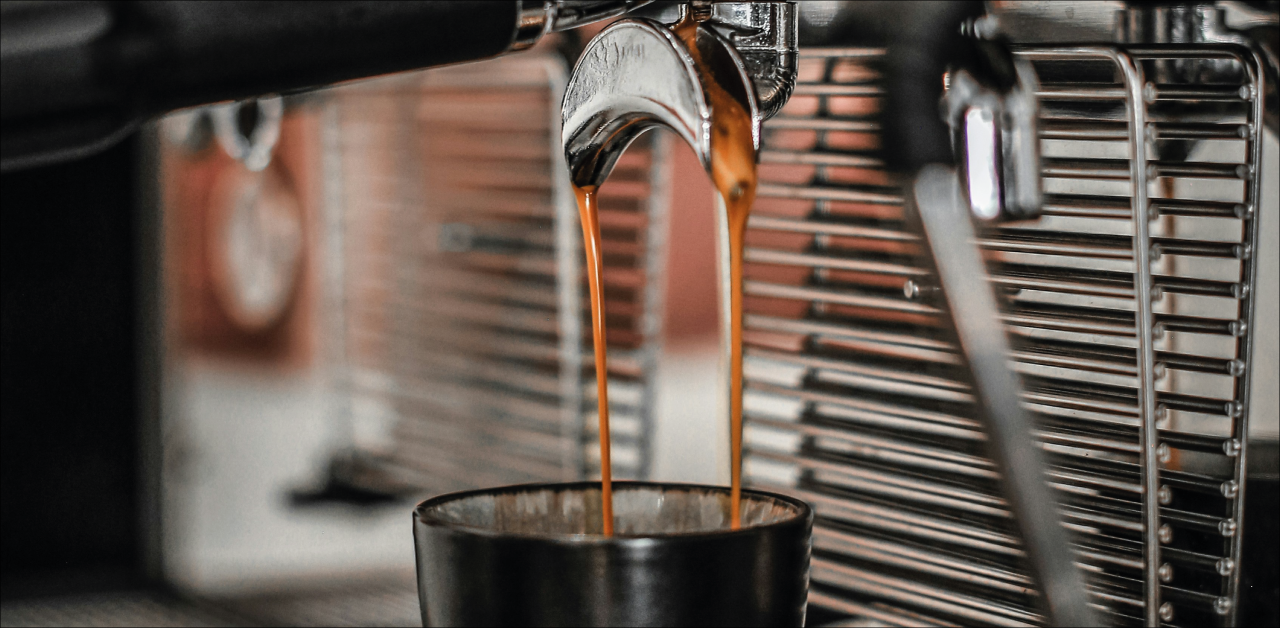
Lungo coffee is one of the quietest pleasures in the Italian coffee world, and one of the most misunderstood. The word simply means “long.” It is an espresso pulled with more water, drawn slowly, until the cup fills past the point where a normal shot would stop.
The result is a coffee that sits between an espresso and a long black. Bigger than a shot. Bolder than a filter. A drink you can sip rather than knock back.
At LUNGO, this cup is where our name begins. So it is worth understanding properly, from the grind to the last sip.
What Is a Lungo?
A lungo is an espresso extended with extra water during the extraction. The barista uses the same dose of ground coffee as a single espresso, then lets more water pass through it.
Where an espresso is pulled at roughly a 1:2 ratio, a lungo runs closer to 1:3 or 1:4. In practical terms, a single espresso fills about 25 to 30 millilitres. A lungo fills around 50 to 70 millilitres, and it can take up to a minute to pour.
That longer pour changes the character of the cup. More water moves through the same grounds, so the coffee tastes lighter in body yet often more bitter, because the later stages of extraction draw out sharper compounds.
In short, a lungo is not a weaker espresso. It is a longer one.
Lungo vs Espresso: The Real Difference
The difference between a lungo and an espresso comes down to water and time. Same grounds, different journey.
An espresso is intense and concentrated. It pours in 18 to 30 seconds and delivers a thick, syrupy cup with a dense crema. A lungo takes longer, uses more water, and spreads that same coffee across a larger volume.
Because extraction continues for longer, a lungo pulls slightly more caffeine from the grounds. A single espresso carries roughly 60 to 80 milligrams. A lungo sits a touch higher, though the jump is smaller than most people expect, since most caffeine releases early in the pour.
Taste is where they part ways. Espresso is round and sweet at its peak. A lungo leans drier and more bitter, with a longer finish. Neither is better. They simply answer different moods.

Lungo, Long Black and Americano: Clearing the Confusion
Three drinks are often mistaken for one another. The distinction is simple once you know where the water goes.
A lungo adds the water during extraction. The water passes through the coffee.
A long black, the Australian favourite, is made by pouring a double espresso over hot water. The espresso is finished first, then it meets the water.
An Americano works the same way as a long black, but the water is usually added on top of the shot, which disturbs the crema.
The order matters more than it sounds. Extracting through the grounds, as a lungo does, gives a different flavour to simply diluting a finished shot. This is why a lungo tastes like a long espresso, while a long black tastes like a softened one.
How to Make a Lungo at Home
You do not need a café to brew a good lungo. You need a little patience and the right ratio.
Start with a single dose of finely ground coffee, around seven to nine grams. Aim for a slightly coarser grind than you would use for espresso, so the longer pour does not turn harsh.
- Dose: 7–9 g of coffee for a single, or 14–18 g for a double.
- Water: roughly 50–70 ml, about three to four times the coffee weight.
- Time: let it run for 35 to 60 seconds.
- Taste: if it turns sharp or hollow, coarsen the grind a little.
If you use a capsule machine, most offer a dedicated lungo button that simply lets more water through. On a manual machine, keep the shot running past the espresso point and stop before the flavour thins out.

Why the Lungo Suits the Way We Live
A lungo is a slow coffee in a fast world. It takes longer to pour and longer to drink. That pause is the point.
This is the ritual at the centre of the LUNGO world. A moment of intention in the rhythm of the day. The cup, the pour, the wait, each one chosen rather than rushed.
There is a wider idea here. When you value the cup, you start to value what the cup leaves behind. Every lungo, like every coffee, produces spent grounds. Across the country, most of those grounds still go to landfill, where organic waste releases methane as it breaks down, a problem the City of Melbourne has flagged in its own coffee waste work.
This is where LUNGO begins its second story. We treat coffee not only as a drink, but as a material. Spent grounds can become eyewear, bags, textiles and objects designed to last. The residue of the ritual becomes the start of something new.
Design first. Coffee always. Sustainability naturally.
Lungo Coffee: Quick Questions
What is a lungo coffee?
A lungo is an espresso pulled with more water during extraction. It uses the same amount of ground coffee as a single espresso but runs longer, filling roughly 50 to 70 millilitres instead of 25 to 30. The result is a larger, slightly more bitter cup.
Does a lungo have more caffeine than an espresso?
Yes, slightly. Because a lungo extracts for longer, it draws a little more caffeine from the same grounds. The difference is modest, as most caffeine is released early in the pour, so a lungo carries only marginally more than a standard espresso.
Is a lungo the same as a long black?
No. A lungo adds water during extraction, so the water passes through the coffee. A long black is a double espresso poured over hot water after the shot is made. The lungo tastes like a long espresso, while the long black tastes like a diluted one.
How do you make a lungo at home?
Use a single dose of coffee, around seven to nine grams, with a slightly coarser grind than espresso. Let 50 to 70 millilitres of water run through for 35 to 60 seconds. On a capsule machine, use the lungo setting.